

History of the Museum
The Food Museum, formerly the Museum of East Anglian Life, developed on farmland that was formerly part of the Abbot’s Hall estate, which was left in trust by sisters, Vera and Ena Longe.
There has been an estate here since at least Medieval times, when the site was a manor belonging to St Osyth’s Priory in Essex. It passed through numerous owners until it was purchased by the Longe family in 1903.
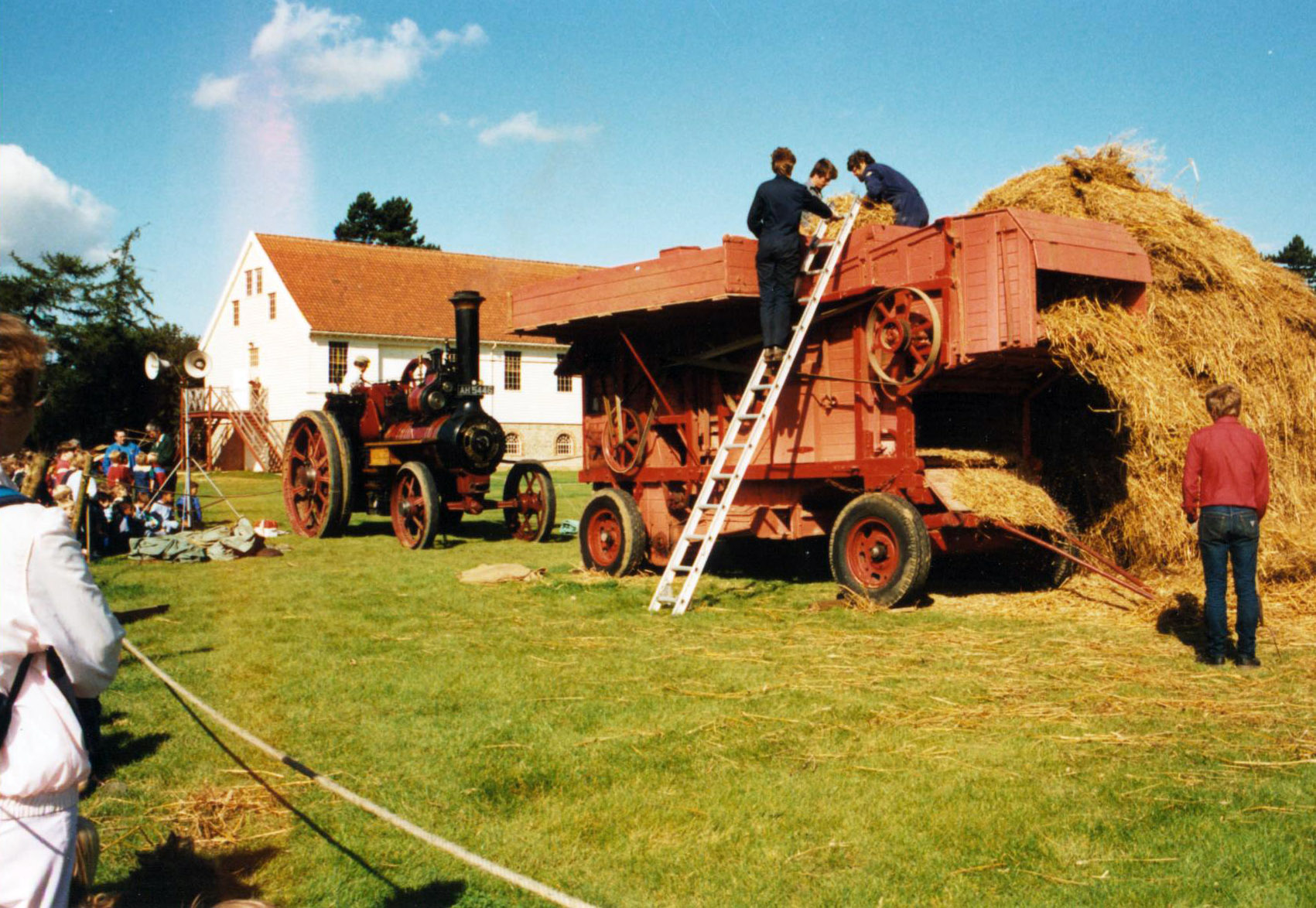
Huge changes in the 1950s and 1960s meant England was in danger of losing long-established skills, equipment and buildings if something was not done to rescue them. Individual collectors, local farmer Jack Carter and the Suffolk Local History Council worked to collect, preserve and display objects from rural East Anglia. After several years of temporary exhibitions in venues around Suffolk, Vera and Ena Longe offered space on their estate to found a museum.
They generously placed the site in trust in phases. Initially, in 1964, a gift of about two acres of land comprising the Home Close area, and including the medieval barn, was put in trust with the then East Suffolk County Council. The museum opened in 1967. Abbot’s Hall itself and a further gift of land was passed to the Abbot’s Hall Trust and leased to the museum in 2004, following the death of the Longe sisters.
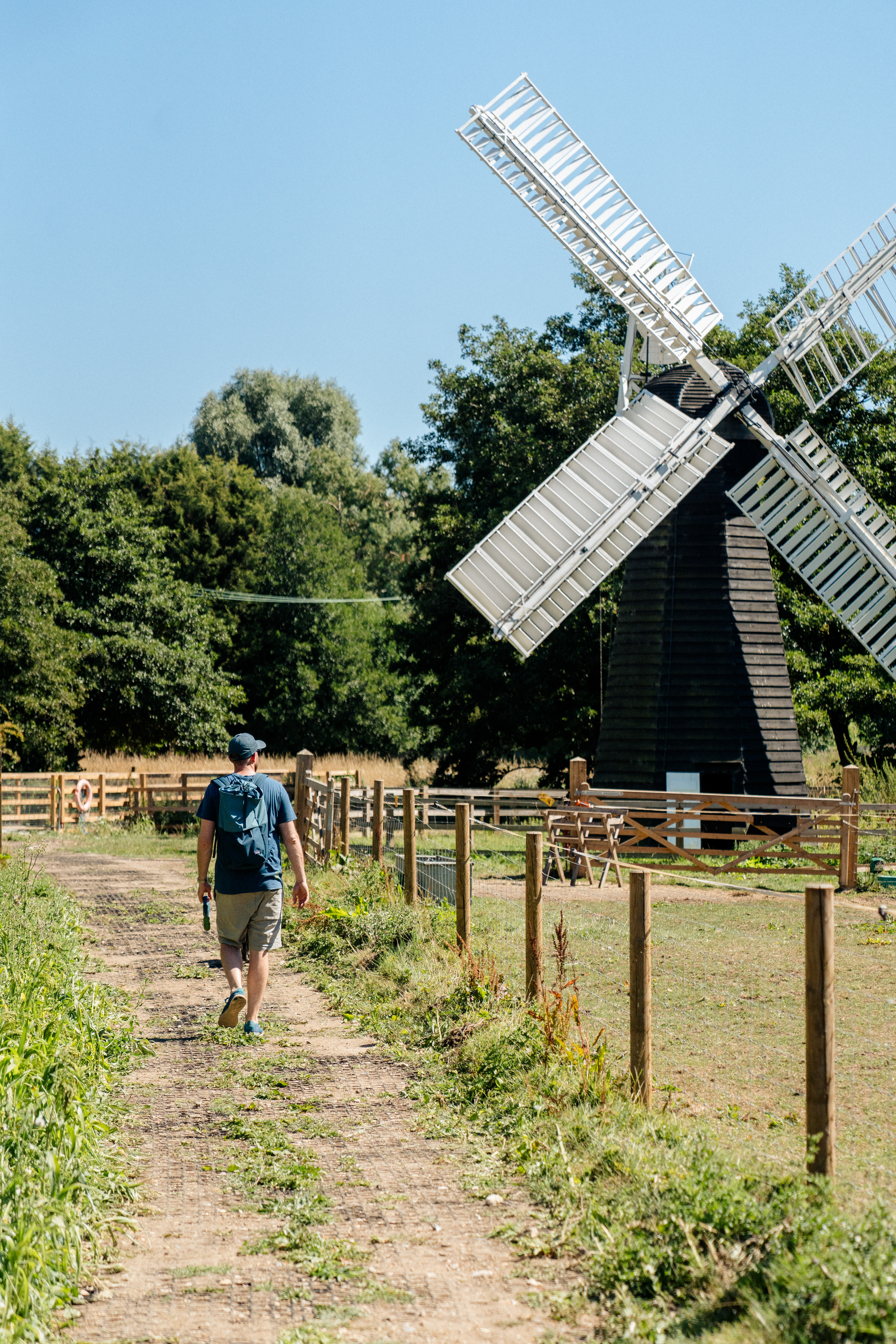
In 2022 we became the Food Museum. There was no food museum in the UK and we felt this was a gap we were well placed to fill. Food was the common thread which ran through our collection, from the medieval barn, watermill and walled garden to our carts, milk floats and machinery, our animals and domestic interiors. We also wanted to develop the collection in line with what we learned through the public consultation we ran over three years. As well as local people and an online consultation, we spoke to environmental, community and religious groups, food writers, chefs, farmers, schools and people of different ages, interests and from many different backgrounds.
The change was motivated by a commitment to interpret our collection in a way which is relevant to modern audiences. We think it is important that we reflect the population, issues and needs of 21st century Britain. Museums should be a living, breathing, growing resource for people to connect with the past in a way that is relevant and engaging.
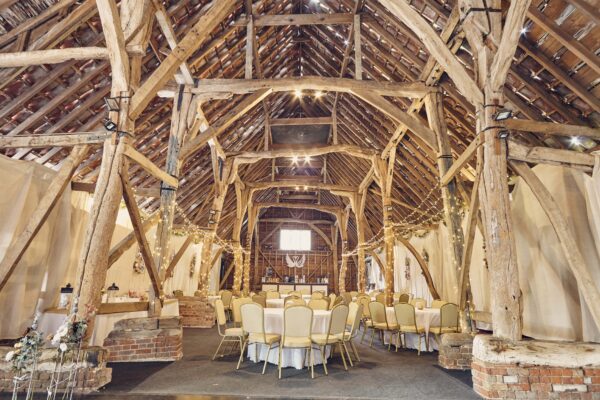
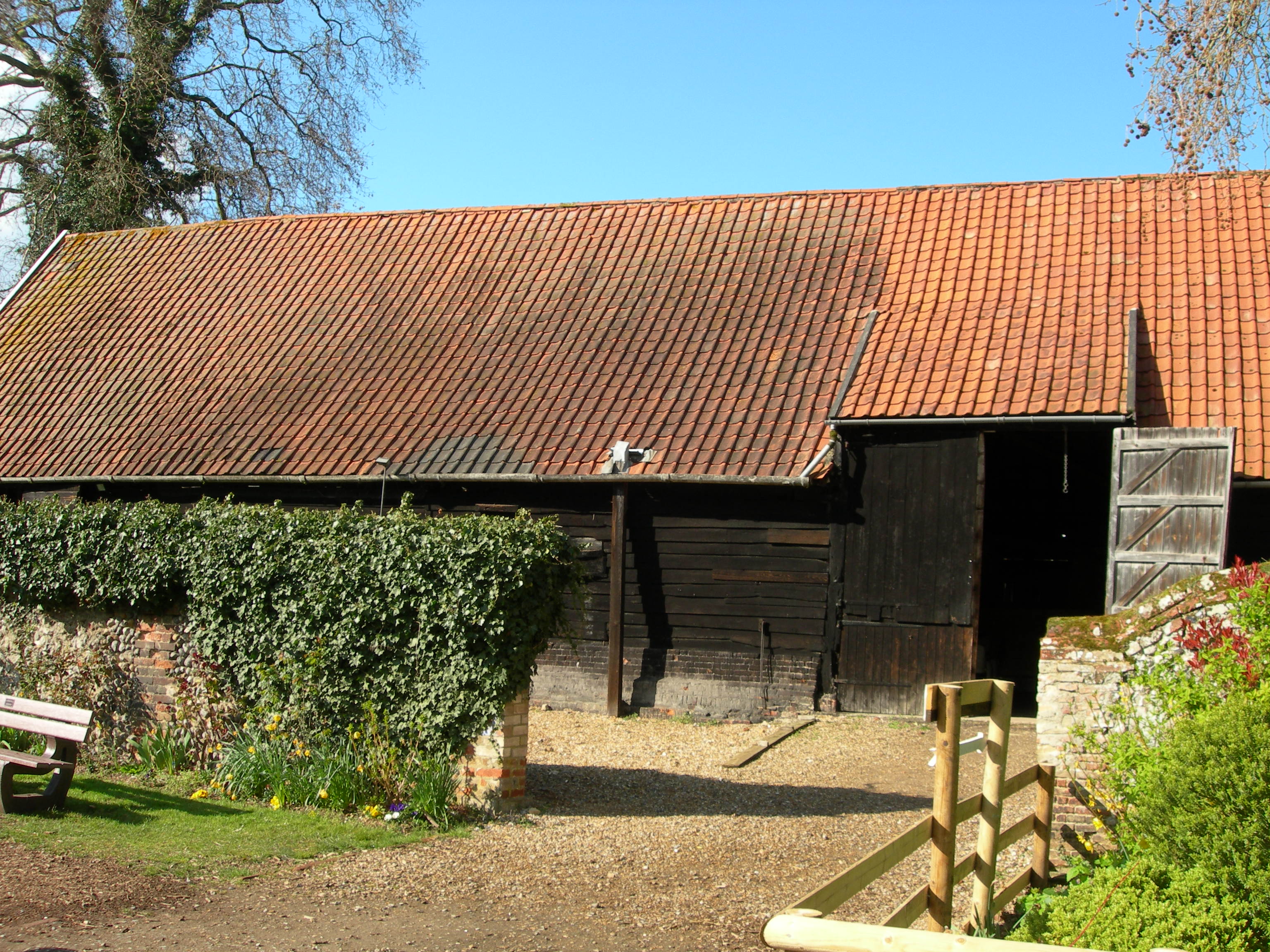
Medieval Barn
More information
13th to 15th century with later repairs
This is the oldest building on the museum site.
It was used to process and store the harvest from the estate. It has two threshing floors with large doors which enabled the unloading of wagons and created a draught to carry away the inedible chaff during threshing.
Hand threshing provided winter work for farm labourers when it was too wet to work outside and they would otherwise be laid off without pay. The labourers used a flail or ‘stick-and-a-half’ to beat the grain (edible seed) from the ear (the cluster at the top of the stem). This was followed by winnowing (separating out) the grain using a draught or fan so it was ready for milling. The invention of the threshing drum and later the combine harvester streamlined these processes for the farmer, reducing time and labour.
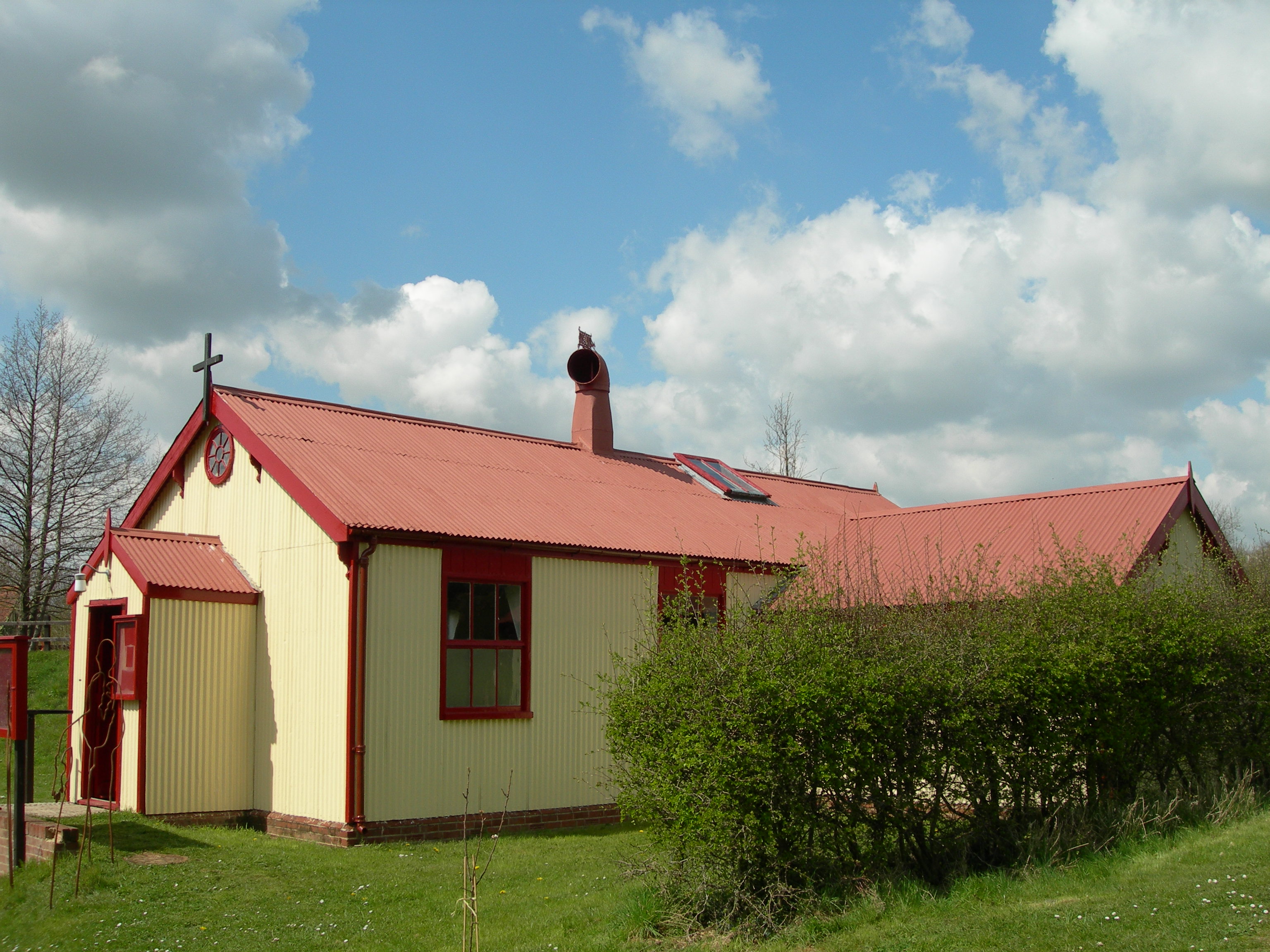
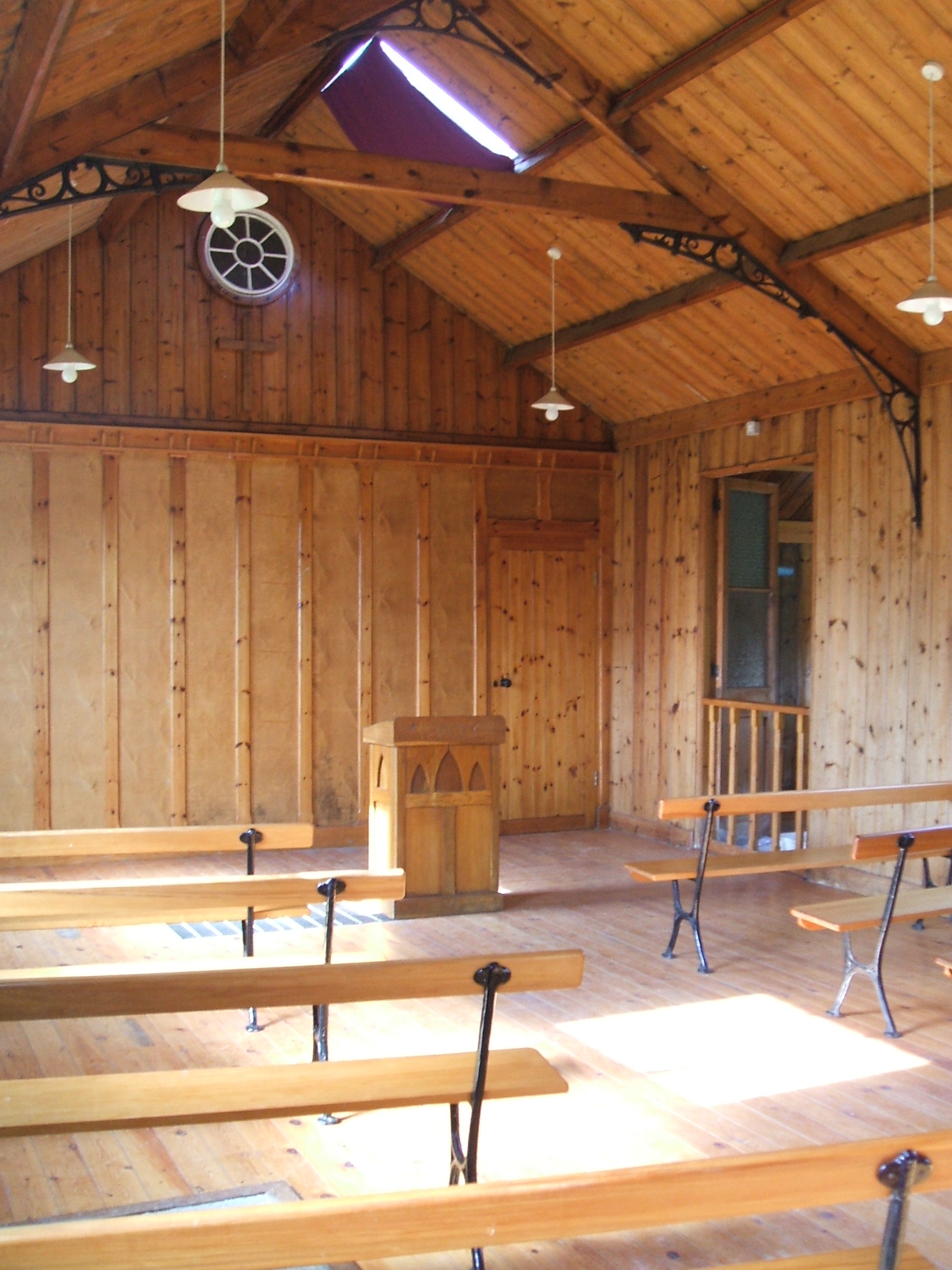
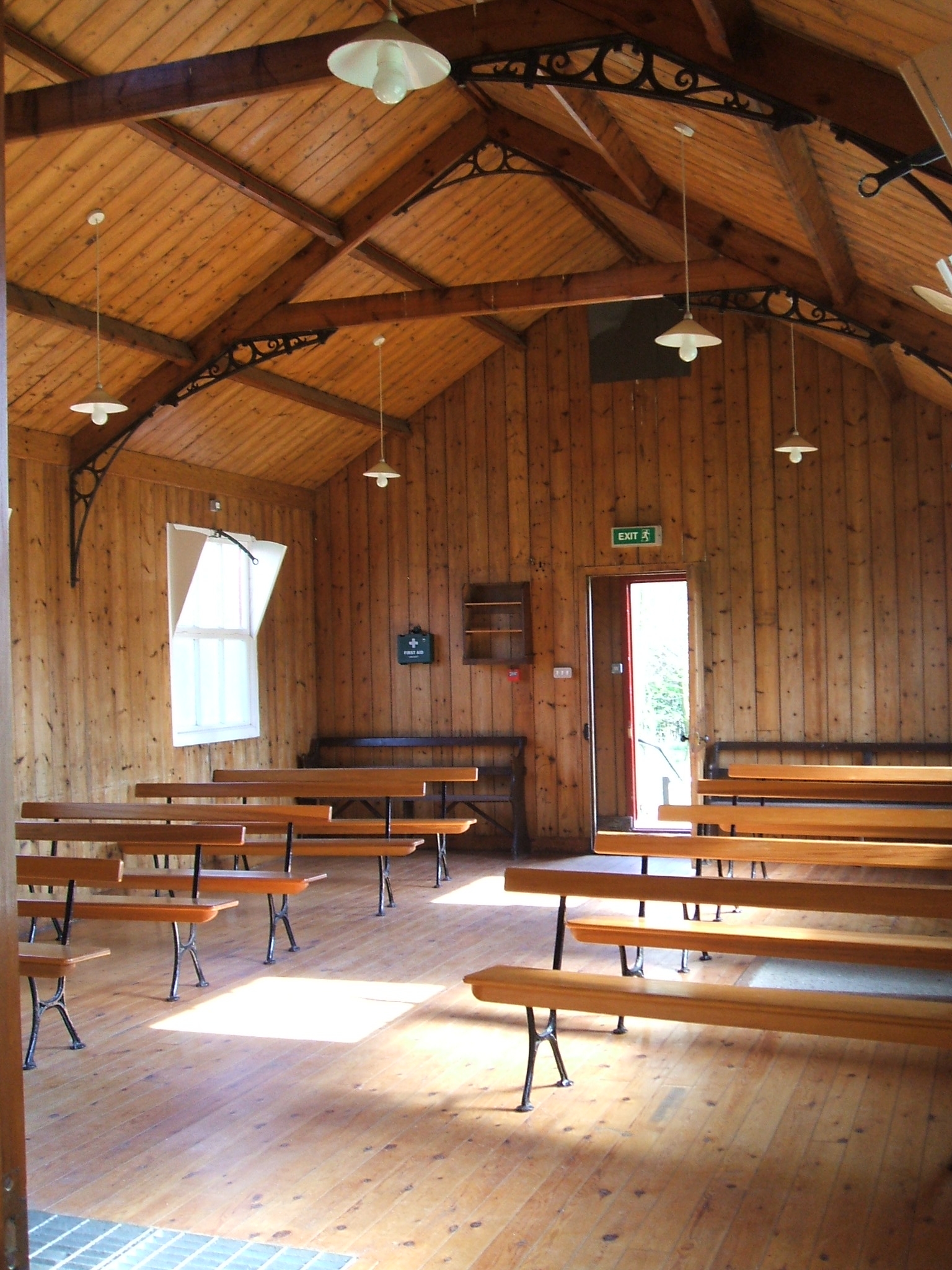
Great Moulton Chapel

More information
1890s, Great Moulton, South Norfolk
This chapel served a Norfolk farming community of nonconformists.
In 19th-century rural areas many people worked on the land with the pattern of their lives shaped by landlords, squires, farmers and the Church of England as the country’s ‘established’ church.
Those who had different ideas and broke away from the official church were called nonconformists or dissenters. Great Moulton was one of a number of East Anglian mission churches created when Norfolk curate Robert Govett left the Church of England in 1845, partly because of his different views on infant baptism.
The space inside the building was basic, but would be filled with voices in song, the preacher’s sermon and the sound of prayer. Up to 60 children attended the Sunday School to hear stories and study the Bible. Annual celebrations included the Harvest Festival with displays of food.
The style of building is known as a ‘tin tabernacle’ or ‘iron church’ due to its flat-pack nature and use of mass-produced corrugated iron. Their easy construction and relatively low cost led to a booming export market to the British colonies, from Australia to South Africa.
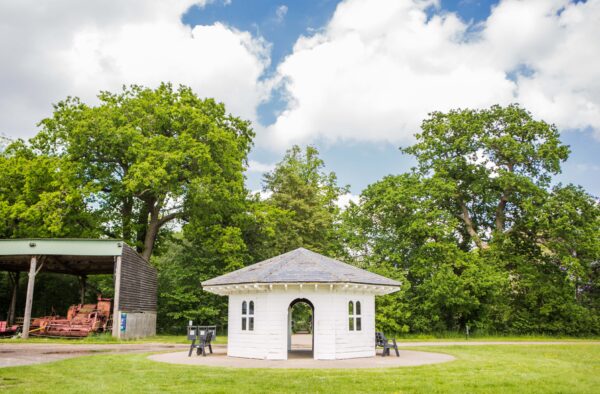
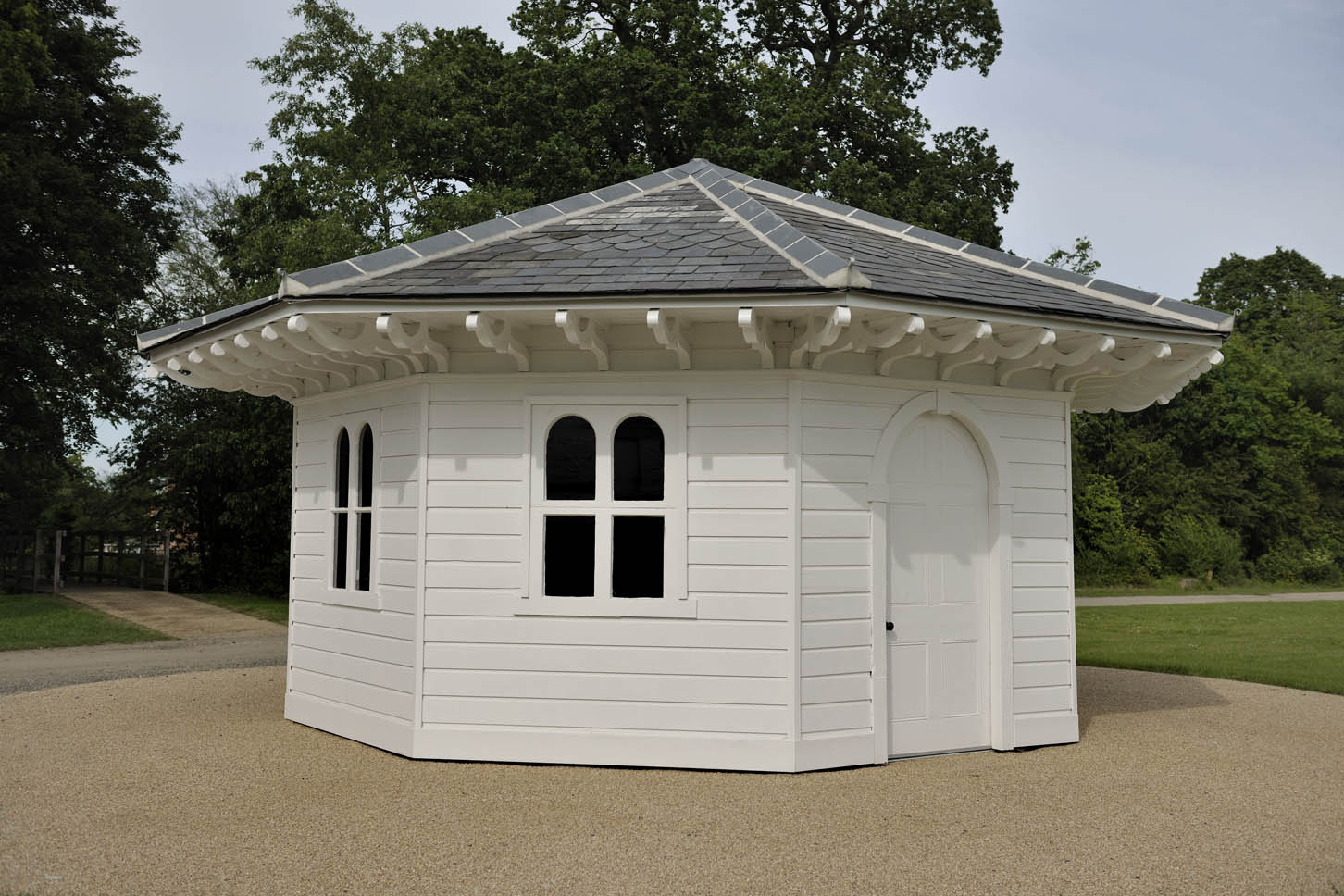
Settling House

More information
1864, Bury St Edmunds, Suffolk
The Settling House sat at the heart of Bury St Edmunds cattle market for over 130 years.
It was originally used to hand out tickets to auctions and settle accounts between farmers and merchants when animals were sold on market days. In time, the toll collector was granted a licence to sell ginger beer and buns as well.
The right to hold a market was granted by royal charter. Markets were essential to the movement of goods, particularly food. Farmers came to sell their grain, livestock and produce alongside smallholders selling their vegetables and eggs. Some markets came to specialise in a particular product.
The building is a reminder of the time when farming was the lifeblood of market towns such as Bury St Edmunds and Stowmarket. Market day was the highlight of the week, a place for meeting people and doing business, and also the symbolic meeting point between town and country with lots of hustle and bustle.
Today the former market site is occupied by a shopping centre and car park.
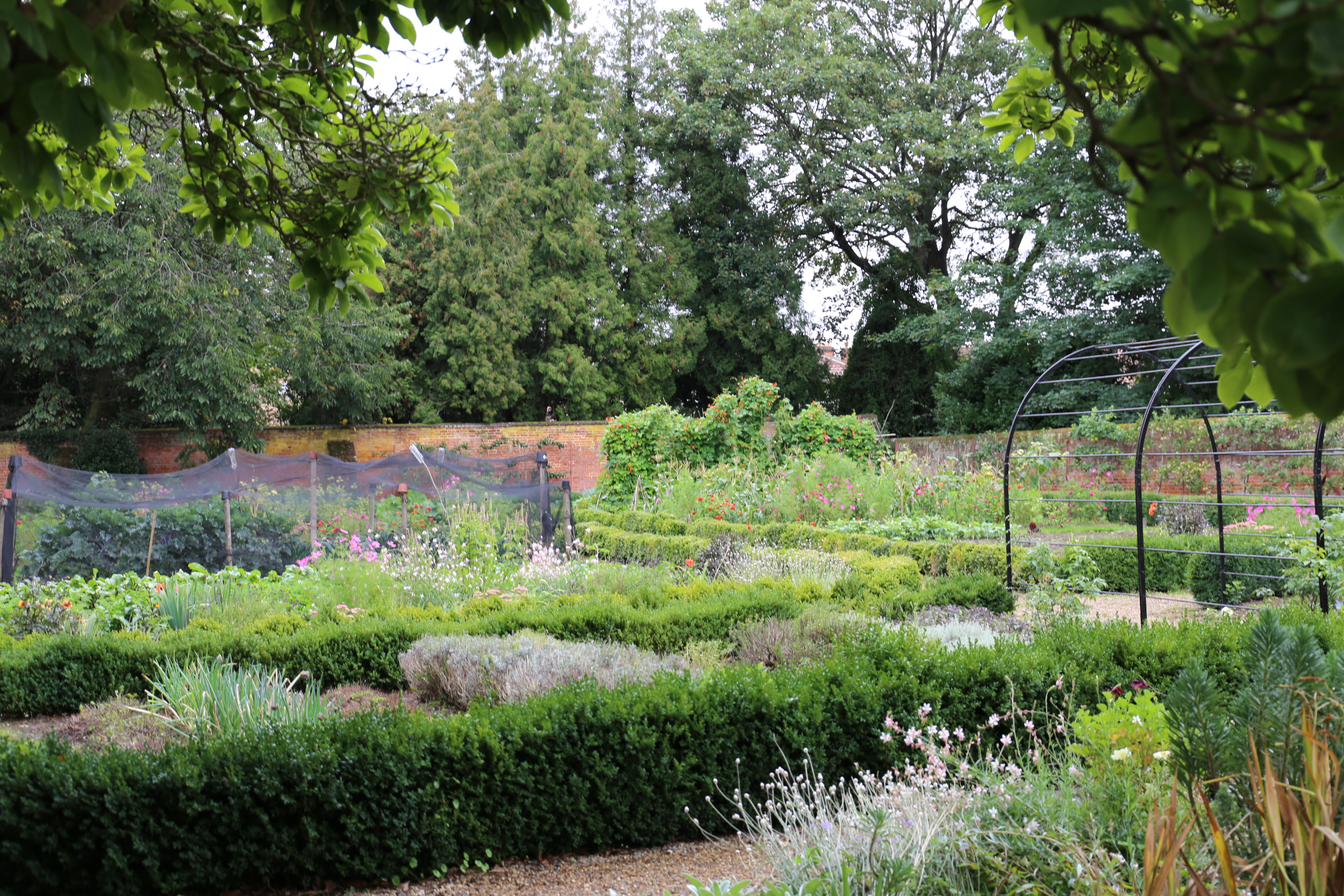
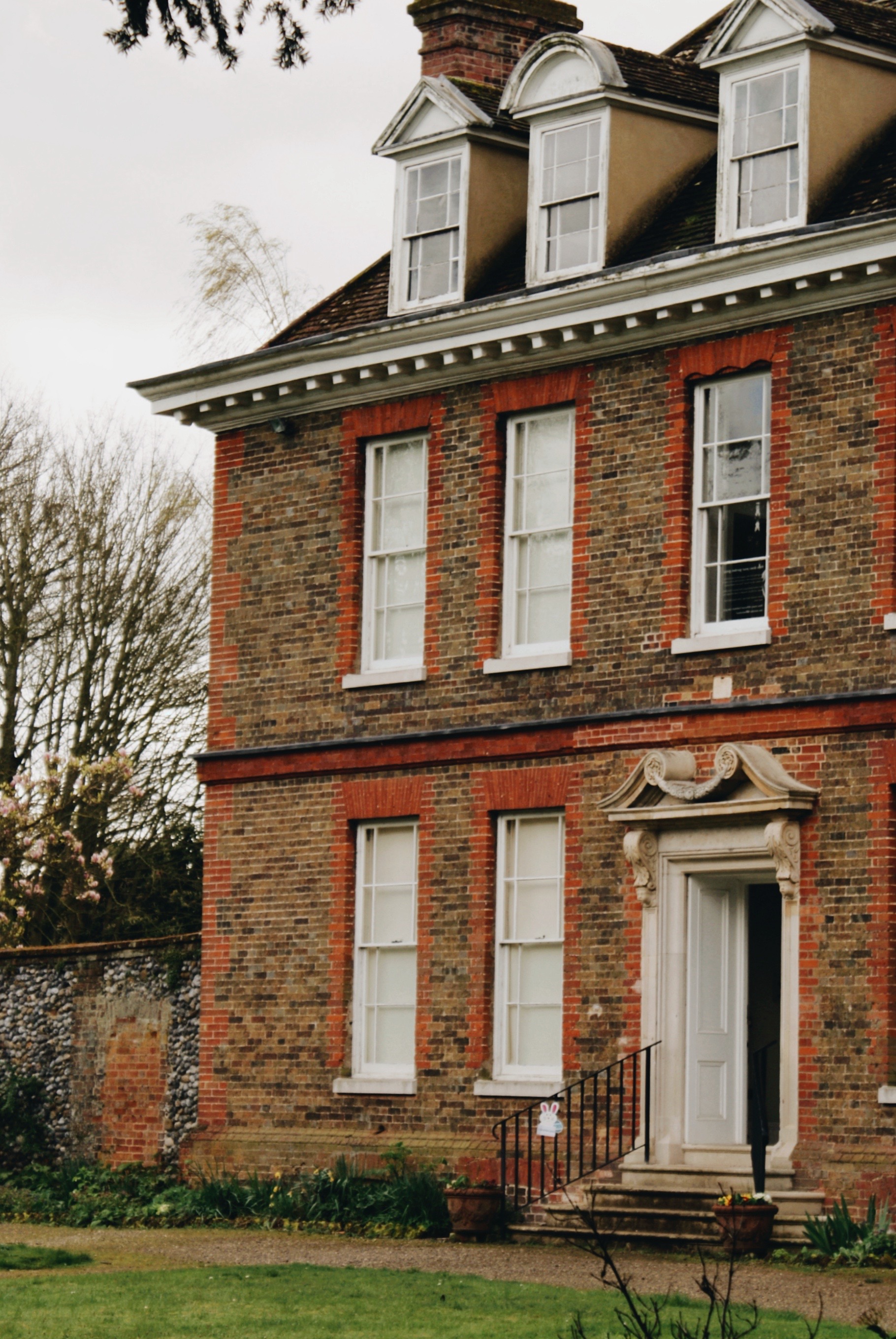
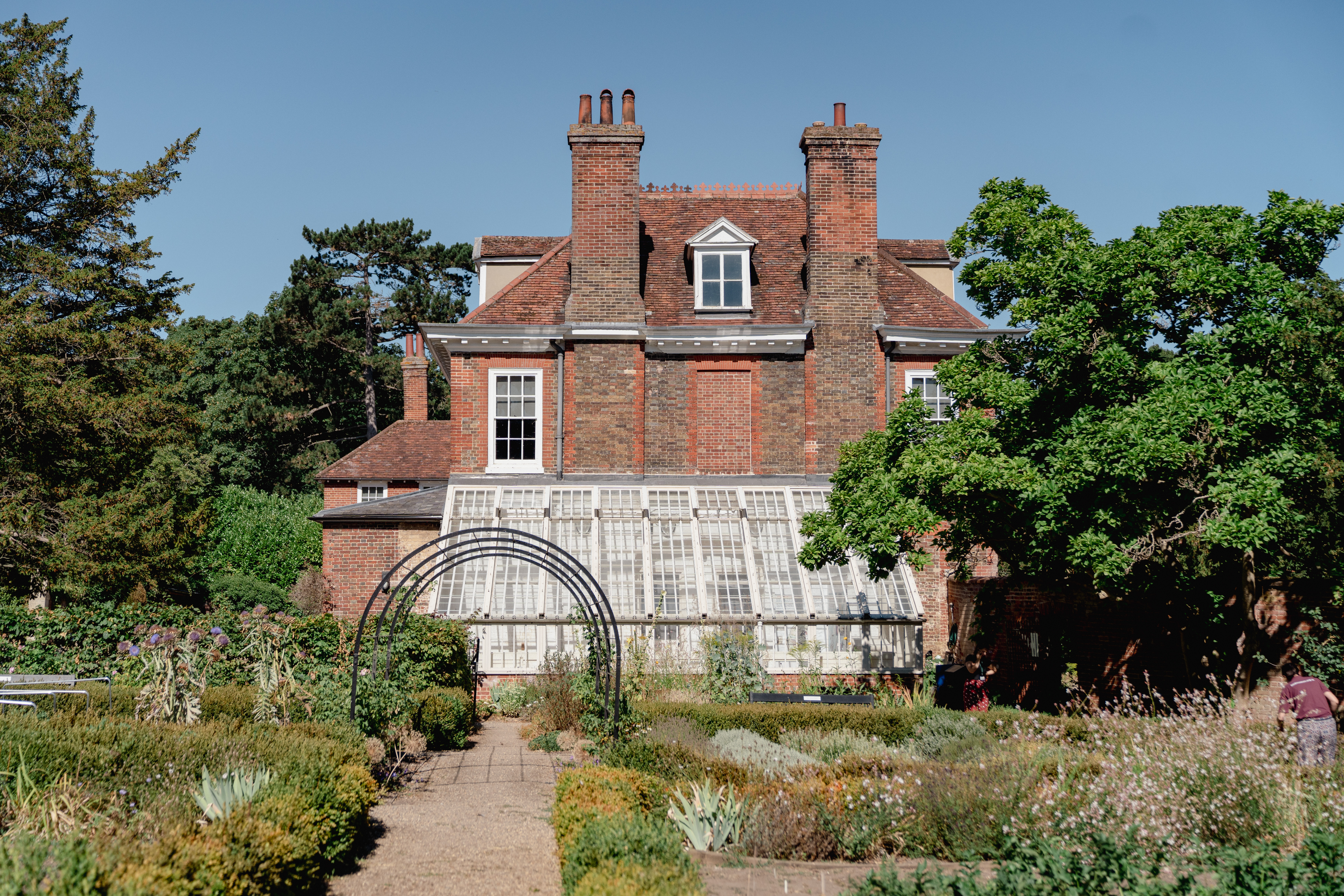
Abbot’s Hall and Walled Garden


More information
1709 with 19th and 20th century additions
Abbot’s Hall sat at the heart of a food-growing estate.
The estate produced many different types of food – grain for bread, hops for beer, vegetables, fruit and meat from livestock and poultry. The estate fed its owners, their servants and workers, and produced surplus food to sell. In addition, parcels of land were probably rented to tenant farmers.
A sale description from 1803 describes it as having ‘125 acres of extremely rich and fertile arable, meadow and pasture lands and hop ground, in the highest state of cultivation’. It also had gardens and an orchard ‘well planted with choice fruit trees now in full bearing’ and ponds ‘well stocked with fish’.
Local merchant Charles Blosse built the current house in 1709 but there has been an estate here for much longer. The name ‘Abbot’s Hall’ reflects this history.
In the 12th century, King Henry II gave an estate or manor that included this site to the Abbey of St Osyth in Essex. The farmland was probably let to a tenant farmer to raise money for the abbey. The abbey lost its wealth in the 16th-century Dissolution of the Monasteries and ownership of the manor eventually went back to the Crown. The estate was sold and then sold again every two or three generations.
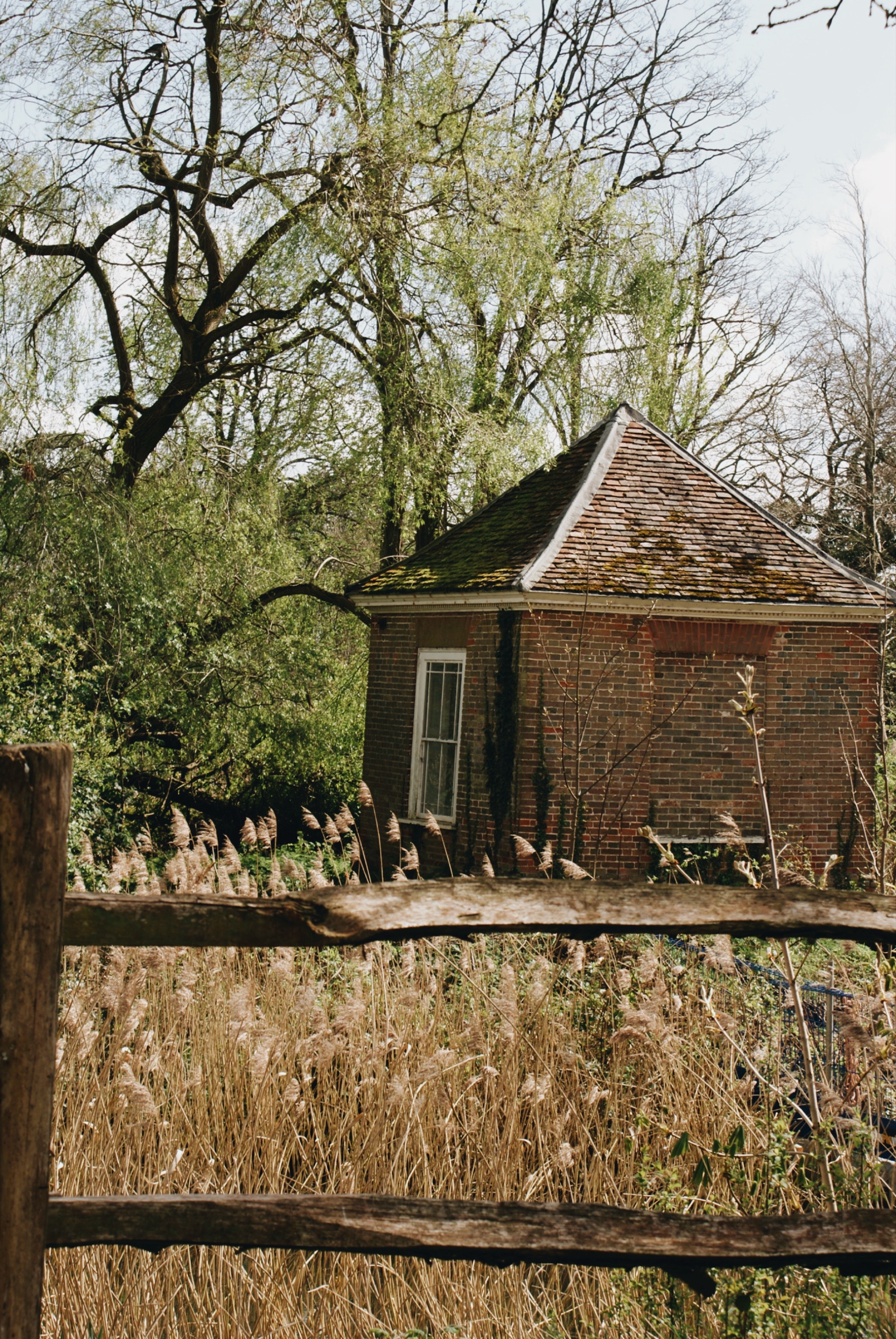
Fishing Lodge

More information
This small brick building was designed for pleasure and recreation. It is part of an ornamental landscape for its owners to enjoy, which included a terrace (a raised area) around the edge of the pond.
The building dates from the mid-18th century but the pond is probably an earlier survival. Medieval ‘stew’ ponds were common on manorial estates like Abbot’s Hall. They provided fish for the residents to eat. There was often more than one pond – as there is in this estate. A small pond might be used for spawning or breeding the fish which were then moved into then larger pond.
 Food Museum